Australia's Skies Tomorrow: Navigating the Complexities of Next Generation Aviation Operations.
Australia's vast geography and reliance on air travel present unique challenges and opportunities for aviation operations. As technology accelerates and global pressures mount, how will we ensure our skies remain efficient, safe, and sustainable?
22 August 2026 · 4 min read
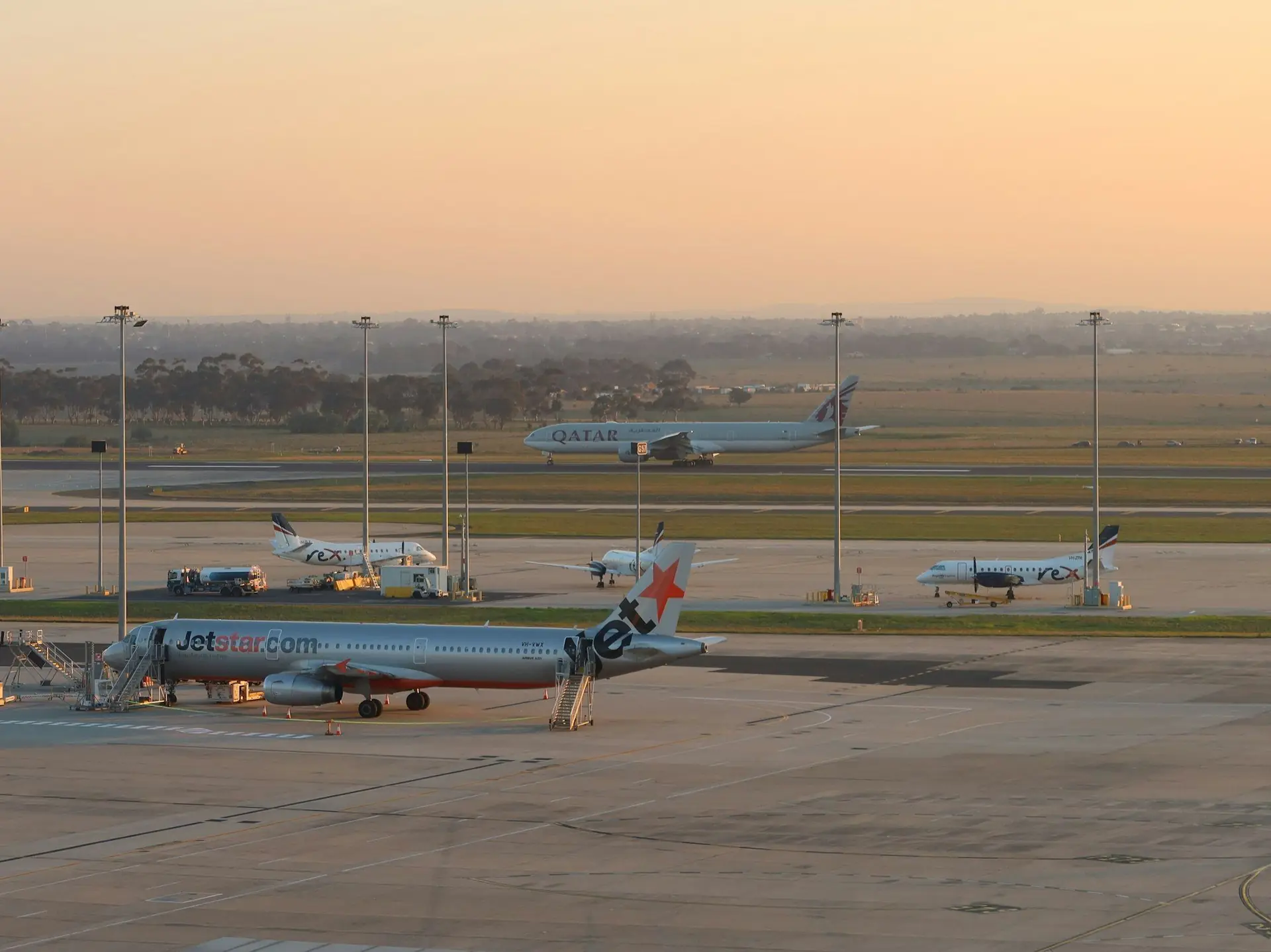
Australia's aviation sector is a critical enabler of our economy, connecting our sprawling continent and linking us to the world. From resource rich regional centres to bustling metropolitan hubs, the efficiency and safety of our aviation operations are paramount. Yet, as we look to the next decade, a confluence of technological advancements, environmental imperatives, and evolving passenger expectations demands a proactive and integrated approach to how we manage our skies.
The Evolving Landscape of Australian Airspace
Our current aviation operational framework, while robust, faces increasing pressure. Airservices Australia, responsible for 11% of the world's airspace, manages over 4 million flights annually. This is a staggering volume, and forecasts predict continued growth. The challenge is not merely accommodating more aircraft, but integrating new types of air vehicles, managing increasingly complex flight paths, and optimising existing infrastructure. Consider the rise of Uncrewed Aerial Systems UAS, commonly known as drones, ranging from commercial delivery services to defence applications. Integrating these into controlled airspace safely and efficiently alongside traditional passenger aircraft requires sophisticated air traffic management ATM solutions and regulatory foresight.
Historically, our aviation operations have been designed around human-centric decision making. However, the future is undeniably digital. The Smart Skies programme, though an ambitious vision, underscores the need for greater automation and data driven insights. This involves advanced surveillance systems, digital towers for regional airports, and AI assisted decision making tools for air traffic controllers. Such technologies promise to increase capacity, reduce delays, and enhance safety margins, but they also necessitate significant investment in infrastructure, cybersecurity, and workforce training.
Sustainability: A Non-Negotiable Operational Imperative
Environmental sustainability is no longer a peripheral concern; it is a core operational consideration for Australian aviation. The public and global community are demanding tangible action on emissions. Qantas's commitment to net zero emissions by 2050, for example, is a significant declaration that will profoundly impact operational strategies. This translates into increased pressure to adopt Sustainable Aviation Fuels SAFs, optimise flight paths for fuel efficiency, and invest in newer, more efficient aircraft. While SAF production in Australia is in its nascent stages, government policy and industry collaboration are crucial to scaling this vital resource. Imagine a future where take off and landing procedures are dynamically adjusted based on real time weather and air quality data to minimise noise and emissions over populated areas. This requires a level of operational agility and data integration that we are only just beginning to explore.
Furthermore, the efficient movement of aircraft on the ground also contributes significantly to overall emissions and operational costs. Smarter airport surface management systems, using predictive analytics to reduce taxi times, can yield substantial benefits. Sydney Airport's ongoing efforts to optimise ground operations, for instance, are critical not only for punctuality but also for environmental performance.
Workforce of the Future: Skill Upgrading and Digital Literacy
Behind every technological advancement and operational improvement is a skilled workforce. Australia faces a looming challenge in attracting and retaining talent across the aviation sector, from pilots and air traffic controllers to maintenance engineers and cybersecurity specialists. The average age of an Airservices Australia air traffic controller is a statistic worth noting; succession planning and robust training programmes are essential to avoid future skill shortages. The transition to digital operations demands a workforce proficient in data analytics, automation oversight, and complex system management. Universities and vocational training providers must collaborate closely with industry to develop curricula that meet these evolving demands. Without a continuous pipeline of highly skilled professionals, even the most advanced operational systems will struggle to deliver their full potential.
Data Integration and Cybersecurity: The Unseen Foundations
The move towards greater automation and interconnected systems inherently creates new vulnerabilities. Cybersecurity must be an integral part of every operational upgrade, not an afterthought. A single breach in air traffic control systems or airline operational networks could have catastrophic consequences, both for safety and public confidence. Robust defence in depth strategies, continuous threat monitoring, and industry wide information sharing protocols are indispensable. The Australian Cyber Security Centre ACSC plays a vital role here, but proactive industry investment remains paramount.
Moreover, the true power of next generation aviation operations lies in the intelligent integration of vast datasets. This includes real time weather information, aircraft performance data, passenger flow analytics, and ground vehicle movements. Breaking down data silos between airlines, airports, air traffic control, and regulatory bodies will unlock unprecedented levels of operational efficiency and predictive capability. Imagine a system that can predict potential delays hours in advance with 90% accuracy, allowing for proactive re-routing or resource allocation. This level of foresight is within reach, provided we commit to open data standards and collaborative platforms.
A Forward Looking Perspective
Australia's aviation sector is at a pivotal juncture. The decisions we make now regarding investment in technology, infrastructure, workforce development, and sustainability will define our operational capabilities for decades to come. We must prioritise a holistic, digitally enabled strategy that embraces innovation while upholding our unwavering commitment to safety. This requires strong leadership from government bodies like the Civil Aviation Safety Authority CASA and the Department of Infrastructure, Transport, Regional Development and Communications, coupled with proactive investment and collaboration from industry players. By embracing these challenges with foresight and determination, Australia can not only maintain its reputation for safe and efficient air travel but also emerge as a leader in next generation aviation operations.
About the PAG. Insights team
Our consultants and engineers write about what they see on aviation, transport, government, energy and technology programmes across Australia and New Zealand.
How we help aviation

